COBRAM Estate Olives has reported one of its strongest years on record, with an exceptional “on-year’’ harvest in Australia driving improved earnings, higher production volumes and a confident outlook from the board and management.
The company’s annual report outlines a year in which favourable conditions, maturing groves and strategic investment combined to lift both output and profitability, while setting up the business for further expansion, particularly in the United States.
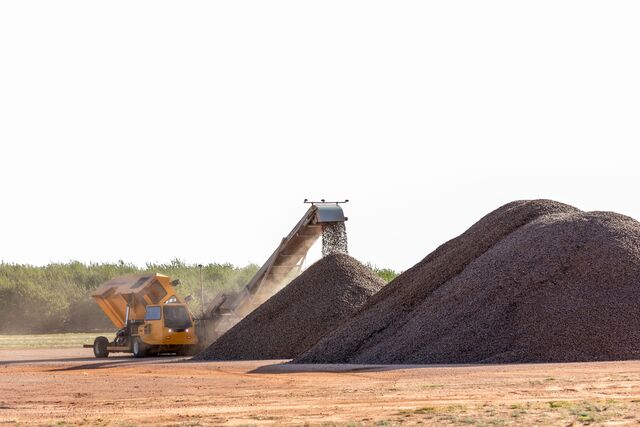
The Australian crop was a standout. According to the 2025 annual report, the company produced about 14.2 million litres of olive oil in 2024-25 from its own groves, up sharply from the previous year’s 10.1 million litres.
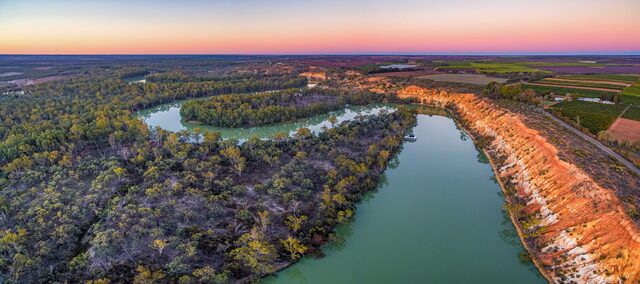
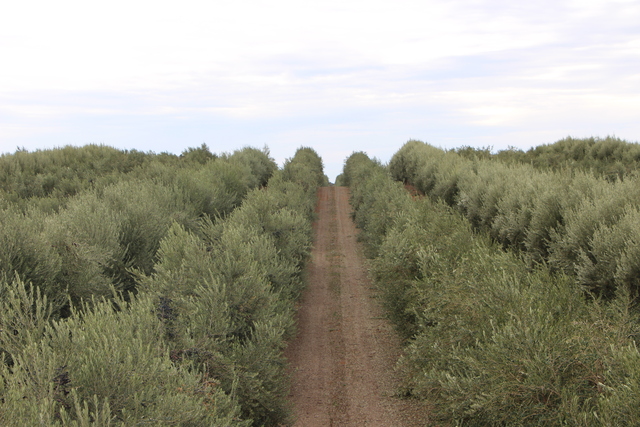
Its groves are based in Boundary Bend (1.05 million olive trees), Boort (1.25 million) and Wemen (300,000).
Australian groves have been progressively planted, with the oldest trees planted in 2000 and the most recent planting in autumn 2024.
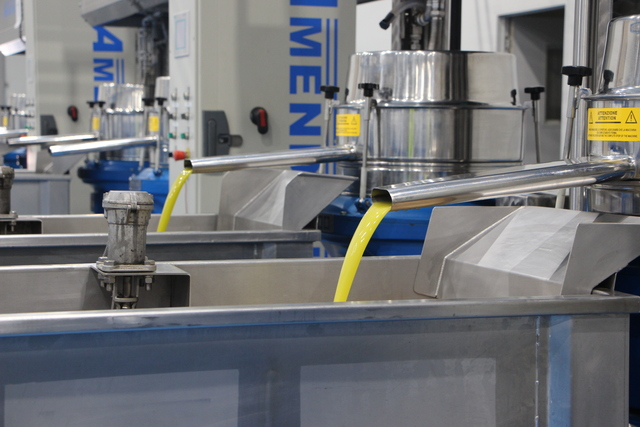
The company is also home to two olive mills for processing olives and extracting olive oil, located at the Boundary Bend and Boort groves. They have a combined processing capacity of 144 tonnes of olive fruit per hour and onsite olive oil storage totalling 6.8 million litres.
A further supply stream of around one million litres came via third-party growers and 1.3 million litres through other Australian mills, bringing the total available volume to roughly 15.5 million litres.
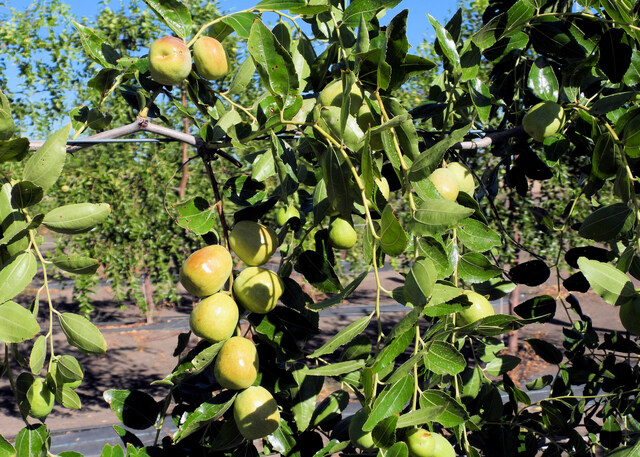
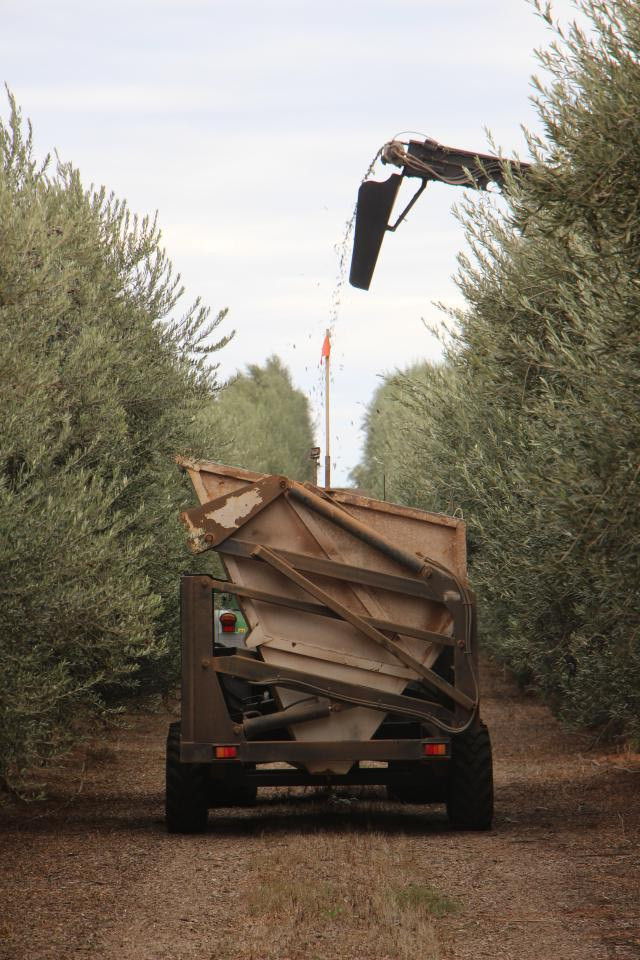
Management notes the crop benefited from the biennial “on-year’’ cycle, but also from an improving maturity profile across the company’s 7000-hectare Australian grove portfolio.
Only 70 per cent of that area is currently mature, with 20 per cent immature and 10 per cent not yet productive.
As those younger groves come into full production over the next seven years, the company expects to lift total output significantly, smoothing the peaks and troughs that naturally follow the olive tree’s alternate bearing pattern.
The company’s processing capacity also increased in time for the 2025 season.
The Boort olive mill upgrade – completed just prior to harvest – expanded throughput to 80 tonnes an hour, up from 50 tonnes previously.
The upgrade is designed to support larger crops in coming years and reduce bottlenecks during peak harvesting windows.
In California, Cobram now has 1025 hectares of groves, although only about 20 per cent are mature. More than half are pre-productive, reflecting the company’s longer-term investment horizon in the US market.
Additional land acquisitions and development work are scheduled across 2025 and 2026, which will take the US portfolio to around 2000 hectares.
The company expects the region to become a major source of future growth as plantings mature and local production ramps up.
Across the grove network, most operating costs remained relatively stable.
However, water prices increased in Australia, with the weighted average temporary water price rising to $139 a megalitre from $116 a megalitre the year before.
Water still accounts for less than 10 per cent of grove operating costs, but management highlights that every $100 a megalitre shift in temporary prices adds roughly $4 million to annual costs. While this is manageable, the company acknowledges water affordability and availability as ongoing operational risks.
In their joint report, the chair and joint chief executives described the 2025 financial year as a year that demonstrated why long-term investment in groves and milling capacity was critical to the company’s strategy.
They said the strong crop positioned the business for its next phase, noting that although the 2026 financial year would reflect the usual “off-year’’ cycle, the maturing orchard base should moderate the size of that decline compared with previous cycles.
Financially, the company delivered significant improvements. Group olive oil sales revenue reached $237.4 million, supported by global packaged goods sales of $216.8 million.
Australian branded product sales under Cobram Estate and Red Island rose 16.6 per cent to $141.4 million, while US branded sales more than doubled to $42.3 million.
EBITDA increased sharply to $116.6 million, up almost 75 per cent on the previous year.
Net profit after tax came in at $49.6 million and operating cashflow rose to $83 million.
Capital expenditure totalled about $81.5 million, reflecting the final stages of Australian expansion and early-stage US development.
The board has declared a fully-franked dividend of 4.5 cents a share, up from 3.3 cents last year.
Management said the increase reflected confidence in both the company’s financial strength and the outlook for stable, expanding production over coming years.