REGENERATIVE agriculture needs you.
Well, right now it really only needs 60 of you (plus a few off the bench) – including from the Sunraysia and Mallee regions – as part of a national network covering a range of farming practices to be part of a research investment exploring current cropping methods, with a focus on regenerative agriculture.
Regenerative agriculture has become a hot topic in Australia in recent years, however, there is no regulatory, or even widely accepted definition of the practice.
Broadly speaking, a regenerative approach to agriculture aims to rehabilitate, enhance and work with – rather than against – ecosystem processes, placing a premium on soil health.
This project aims to gain a better understanding of the relevant objectives and how they might be changing soil, land and business management.
Using this knowledge, the project team will establish ways to monitor the potential benefits or disadvantages of regenerative agriculture in Australian cropping systems across a range of agronomic, soil health, ecological, social and economic indicators.
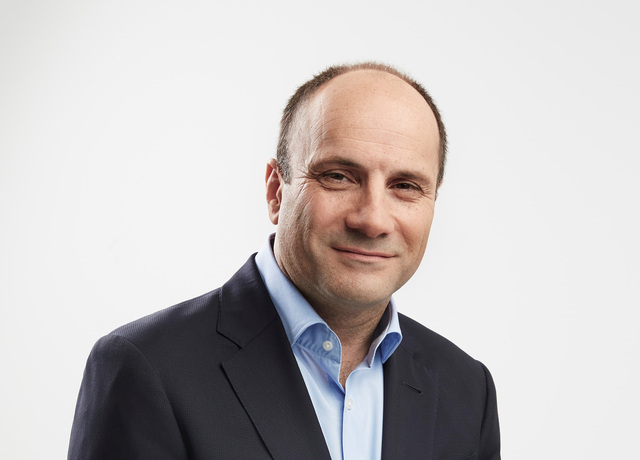
GRDC southern sustainable cropping systems manager Dr Giacomo Betti says a balance of viewpoints is essential for the project’s success.
“It is very important to have a broad range of growers involved, whether they see the type of farming they are doing as regenerative, sustainable or something in between,” he says.
“Studying a comprehensive range of practices is needed to develop a balanced dataset and draw meaningful conclusions.”
A multi-disciplinary team from the Southern Cross University Faculty of Science and Engineering will provide independent scientific rigour.
“GRDC aims to develop properly validated resources, so growers can make an informed decision for their cropping system,” Dr Betti says.
“The project team at Southern Cross University will engage the participants, record their farming practices and results, and report on the outcomes.”
The SCU team includes experts in soil health, agronomy, ecology, cultural geography and natural capital accounting, ensuring the project delivers balanced, evidence-based outcomes.
Lecturer and researcher Dr Adam Canning, who is leading the project, says the university will work with participating growers to agree on key metrics for the research.
“These are expected to include profitability, natural capital accounting, soil health, biodiversity and social factors,” Dr Canning says.
“We will identify and trial indicators that demonstrate the extent to which grain growers are reaching defined goals. Trialling the indicators will let us identify any farm-specific factors that could influence the results.
“Participants will also have input on how regenerative agricultural systems are understood and defined.”
Along with helping to define the terms of the project, growers must be willing to provide some access to their land so measurements can be taken and share relevant economic data. GRDC will establish privacy protocols to protect the participants and ensure data is de-identified before publication.
Dr Hanabeth Luke, the project’s socioeconomic research lead and coordinator for Southern Cross University’s Regenerative Agriculture program, says participation in the research will generate clarity and scientifically validated guidelines for grain growers.
“This research will help establish the what, as well as the why or why not, of regenerative agriculture in Australian grain production,” Dr Luke says.
“Whatever your current thoughts on regenerative agriculture, participating in this project will help you and other growers make more informed decisions about the practices you choose to invest in, based on best-evidence.”
The project is planned to cover the 2024, 2025 and 2026 growing seasons, concluding in 2027.
Interested growers can contact Dr Adam Canning at adam.canning@scu.edu.au