Winter war on fruit flies

THE Greater Sunraysia Pest Free Area is urging communities to mobilise over the cooler months to get on top of Queensland Fruit Fly issues that caused problems over the fruit growing season.

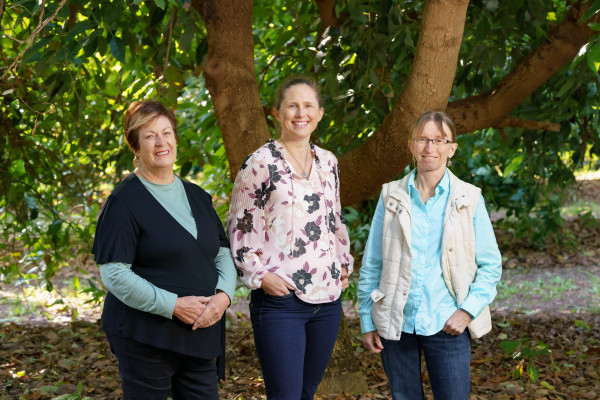
GSPFA regional coordinator Narelle Beattie said while fruit fly had been an issue for growers in several communities, there was a message for the entire Greater Sunraysia region, from Mildura to Kerang.

“These colder months are an opportunity for us to get on top of fruit fly – the work we do now will be springboard to set ourselves up for success in spring and summer,” Ms Beattie said.

“Queensland Fruit Fly is here to stay, and whether you are a commercial fruit or vegetable producer, have a small market garden or orchard, or simply have fruit trees around your home, we all have a role to play.”

“Unmanaged fruit trees, wherever they are, are havens for fruit fly and increasing fruit fly numbers are just one more thing that makes it harder for growers to produce clean, marketable fruit.”

This season’s high numbers caused crop losses, pushed up production costs and forced producers to apply higher levels of chemical control, Ms Beattie said.

“Reducing fruit fly numbers is crucial for the wellbeing of local horticulturists, but a healthy horticultural sector benefits everyone in the local community through jobs and economic activity,” she said.

“If fruit fly is left for full-time farmers to manage, it is not only very expensive and time-consuming but much harder to control.”

Fruit fly host plants include, but are not limited to stone, pome and citrus fruit trees, grapevines, olives, loquats and pomegranate trees, prickly pear and boxthorn and the GSPFA recommends the removal of any fruit trees that are not being managed for fruit fly.

“It is important they are removed from both backyard gardens and commercial orchards or vineyards that have been taken out of active production, Ms Beattie said.

“If fruit trees are staying, then ensuring they are managed properly throughout the entire year is crucial.

“That means removal of any fruit that’s still on the trees or vines after harvest, cleaning up fallen fruit and possibly applying bait or cover spraying during the season.”

Ms Beattie said GSPA can remove backyard fruit trees from residential properties free of charge if required and information on fruit fly management was readily available on the GSPFA website.

“If you would like advice and information on how to manage your fruit trees, our local fruit fly community support officers are happy to talk to you or visit if you need it,” she said.

“Agronomists and chemical resellers are also a great source of advice on the right approach for your property.”

Contact the Greater Sunraysia Pest Free Area office on (03) 5022 0327 or email gspfa@mildura.vic.gov.au to discuss options.

Digital Editions


  • The calm before the storm

    The calm before the storm

    We appear to be bogged down in a rut, with the commissioning of our new plant. I was super frustrated a couple of months ago…

More News

  • Grape harvest underway

    Grape harvest underway

    Harvest has begun with our first loads of Chardonnay and Pinot Grigio. Reports of lower yields following the ongoing heat are common, although with the worldwide oversupply of wine, this…

  • Grant strengthens cattle and red meat industry

    Grant strengthens cattle and red meat industry

    Purchase this photo from Pic Store: 528596 Meat and Livestock Australia (MLA) in partnership with industry peak bodies, has secured a grant from the National Foundation for Australia-China Relations to…

  • Safety a priority

    Safety a priority

    EVERY farmer deserves to come home safely at the end of the day. That is the message at the heart of a new statewide campaign urging Victorian farmers to see…

  • Golden opportunity for future

    Golden opportunity for future

    THE Victorian Farmers Federation has called on the State Government to make strategic investments in agriculture, saying smarter policy and targeted funding in seven priority areas could supercharge the industry…

  • New initiative for soil diseases

    New initiative for soil diseases

    THE Grains Research and Development Corporation has recently launched a new initiative aimed at addressing economic strain from soilborne crop diseases. The Soil-Borne Disease Initiative is a five-year program that…

  • Wine producers call for intervention

    Wine producers call for intervention

    AUSTRALIA’S winegrape producers’ association has warned that the sector is entering a structural crisis as global demand continues to spiral. In their pre-budget submission for 2026-27, Australian Grape and Wine…

  • Vineyard vintage outlook wine-derful

    Vineyard vintage outlook wine-derful

    THIS year’s vintage is shaping up well across the Murray Darling. Duxton Vineyards, operating more than 2400 hectares as well as a large-scale winery, are reportedly on track for a…

  • Honey on tap un-bee-lievably good

    Honey on tap un-bee-lievably good

    Purchase this photo from Pic Store: 532909 WHAT’S better than beer on tap? Honey, especially if it’s made and produced by Megan and Lachie Mannes, from the Mannes Desert Honey…

  • China driving Aussie almond demand

    China driving Aussie almond demand

    DEMAND for Australian almonds remains strong despite easing from last season’s record highs, according to the Almond Board of Australia. The industry’s October sales position report, released in December, shows…

  • Tractor tragedy sparks concern

    Tractor tragedy sparks concern

    A FARMER has become the first workplace fatality for 2026 after being entangled in a tractor wheel, prompting renewed calls for farmers to stay vigilant around machinery. The death comes…